top of page
.png)


Vaccine Clinic
Keeping your pet healthy starts with the right protection. Learn about each type of vaccine, recommended vaccination schedules, how to schedule an appointment, and more.
Vaccine Clinic Information:
Open Monday-Saturday, 8 AM to 5:20 PM
Arriving After Scheduled Appointment:
Appointments:
-
While appointments aren't mandatory, we highly recommend booking ahead due to limited walk-in availability.
-
No guarantee that you will be able to get you in the same day.
Walk Ins:
-
Allowed until 4 PM each day.
-
$20 fee per pet.
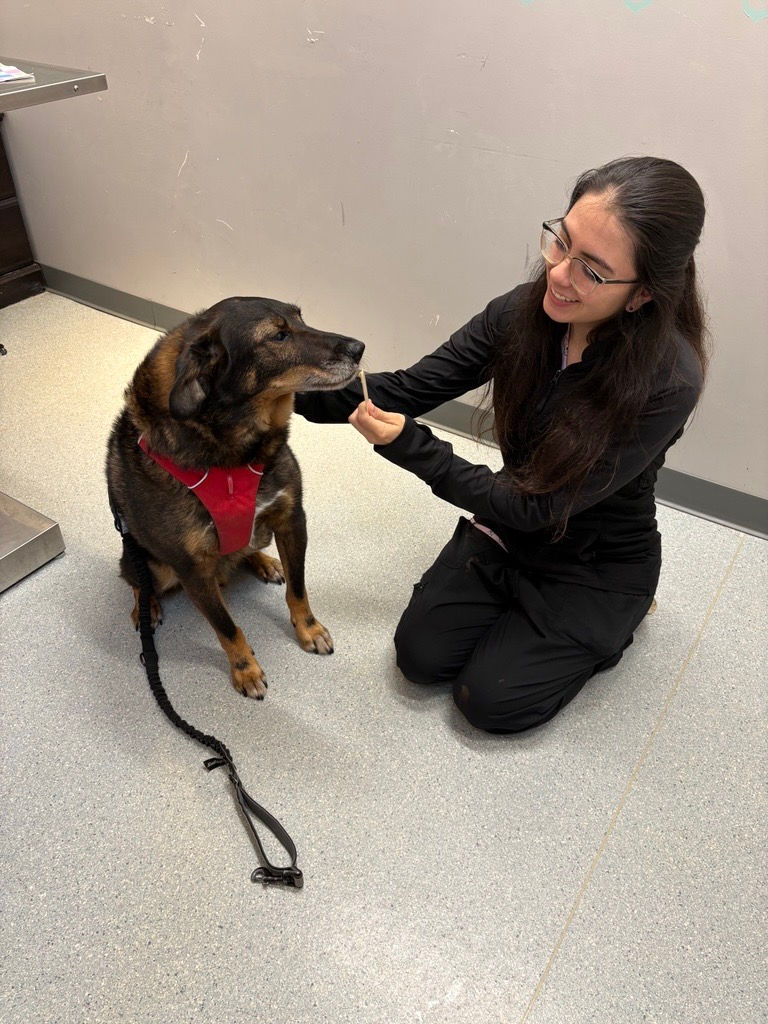
Canine Vaccination Information
From puppy shots to adult boosters, learn about the vaccine options available to keep your dog healthy and by your side.
Recommended* Vaccination Schedule
8 Weeks Old:
-
DA2PP Booster #1
-
Bordetella
12 Weeks Old:
-
DA2PP Booster #2
-
Leptospirosis Booster #1
16 Weeks Old:
-
DA2PP Booster #3
-
Leptospirosis Booster #2
-
Rabies, 1 Yr
-
Schedule Spay/Neuter
-
Get Microchipped
16 Months (1 Yr, 4 Months):
-
DA2PP, 3 YR
-
Rabies, 3 Yr
-
Leptospirosis
-
Bordetella
*These are general guidelines. Vaccines may be delayed if the puppy is not large enough to be vaccinated safely.
Vaccine Types & Protection Guide
Rabies:
-
One of the most important protections for your dog. The rabies virus is highly contagious to both animals and humans. Rabies is fatal for your pet.
-
Delivered at 16 weeks old, with a booster one year later.
-
Subsequent boosters are available in 1-yr and 3-yr doses.
DA2PP:
-
This vaccine protects your dog against both parvovirus and distemper. In Alaska, parvovirus can live for months on the ground or on untreated surfaces. While both viruses are dangerous to dogs of all ages, puppies are especially at risk, and the infection can be fatal.
-
Delivered in three boosters for puppies starting at 8 weeks of age.
-
Subsequent boosters are available in 1-yr and 3-yr doses.
Bordetella:
-
The bordetella virus is similar to a human cold virus and causes a hoarse cough in dogs. We deliver this vaccine orally, and it can be given to puppies as early as seven weeks old.
-
Dogs that visit dog parks, go to doggy daycare, are boarded, or have regular contact with other dogs should receive this vaccine annually.
Leptospirosis:
-
This canine vaccine protects against a bacterial infection that can affect both dogs and humans. It has become widespread enough that veterinary associations now recommend it as a core vaccine. Left untreated, it can cause serious kidney and/or liver problems.
-
Booster is needed after 4 weeks and then annually.
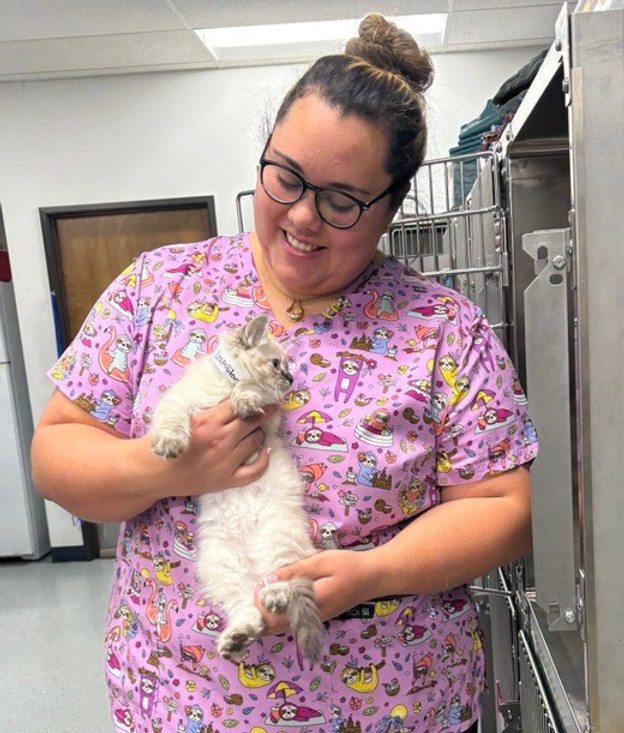
Feline Vaccination Information
Protecting your cat from preventable illness is key to lifelong health. Explore our guide to core and lifestyle vaccines to keep your feline companion safe.
Recommended* Vaccination Schedule
8 Weeks Old:
-
FVRCP Booster #1
-
Feline Leukemia Test
12 Weeks Old:
-
FVRCP Booster #2
-
FeLV (Feline Leukemia) Booster #1
16 Weeks Old:
-
FVRCP Booster #3
-
FeLV Booster #2
-
Rabies 1 Yr
-
Schduled Spay/Neuter
-
Get Microchipped
Cats 16 Months (1 Yrs and 4 Months) and Older:
-
FVRCP 1 Yr
-
Rabies 3 Yr
*These are general guidelines. Vaccines may be delayed if the kitten is not large enough to be vaccinated safely.
Vaccine Types & Protection Guide
FVRCP:
-
This feline vaccine protects against three core viruses: rhinotracheitis, calicivirus, and panleukopenia. These viruses are airborne and are often fatal for unvaccinated cats.
-
Delivered in a series of three boosters for kittens starting at 8 weeks of age.
-
Subsequent boosters available in 1-year and 3-year doses.
FeLV:
-
Feline leukemia is a highly contagious virus that is a risk for cats that spend time outdoors.
-
Cats should always be tested for the presence of the virus before receiving the vaccine.
-
Outdoor cats or those in catteries should receive an annual booster to stay protected.
bottom of page